
Wild Markings, Read as Pattern
The markings animals and insects wear, from the Carolinas and beyond, read as pattern — and printed on Belgian linen.
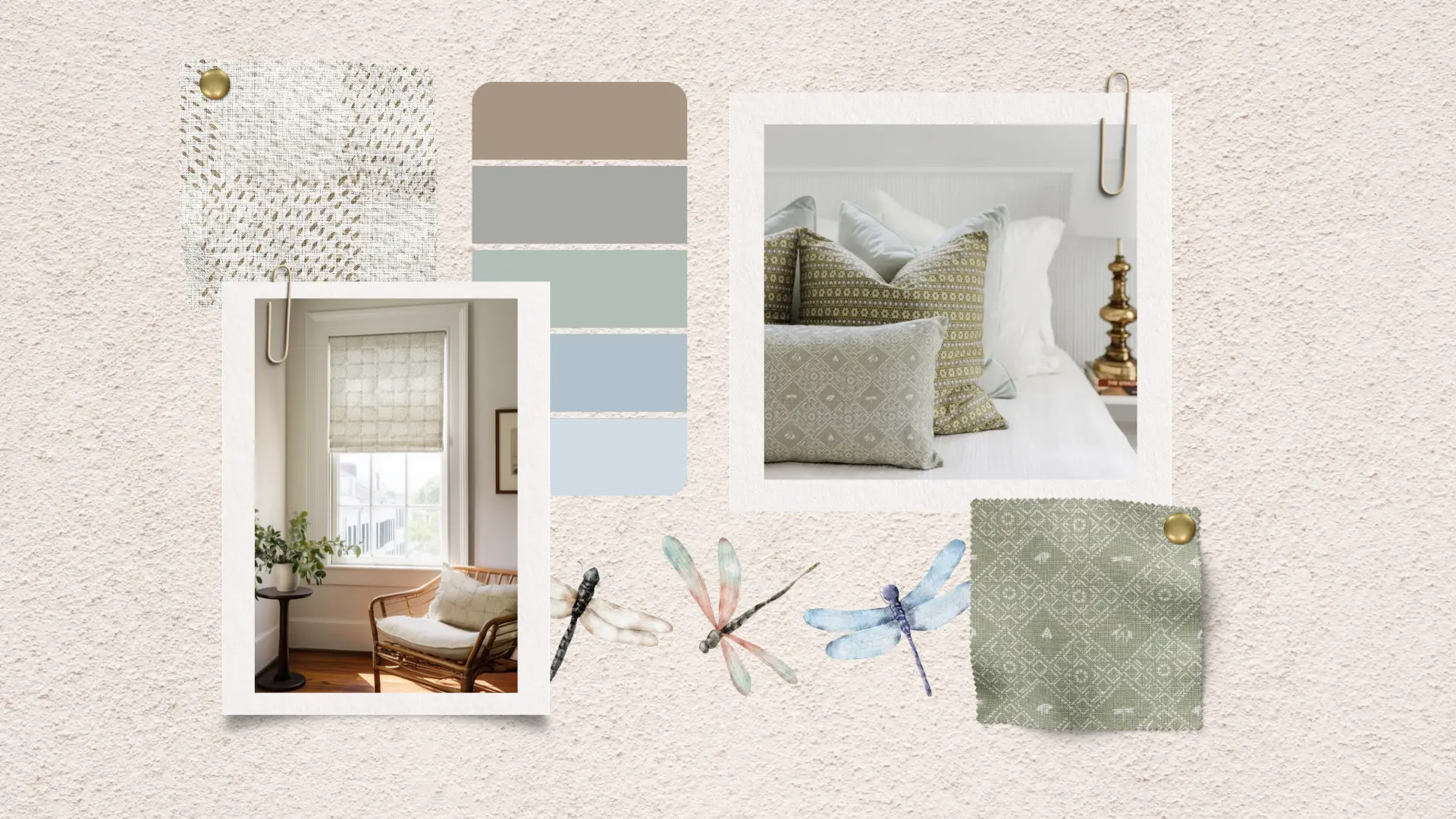
Look closely at almost any animal and you find a pattern already at work. The bars on a feather, the plates of a shell, the speckle across an egg, the interlaced twigs of a nest. None of it is decoration. Every marking is doing a job — hiding, warning, attracting, or holding something together. That is where Fauna started for me: with the markings animals and insects wear, from the Carolinas and beyond, read as pattern.
Nature got there first
Markings are the oldest design work there is. Each one survives because it does something: the speckle that breaks an egg up against gravel, the bold shell that warns a predator off, the wing that passes for a dead leaf. Pattern in nature is function first, and the look follows. That is something I keep in mind, and it is why I trust these patterns to hold up across a sofa or a wall.
The collection, up close
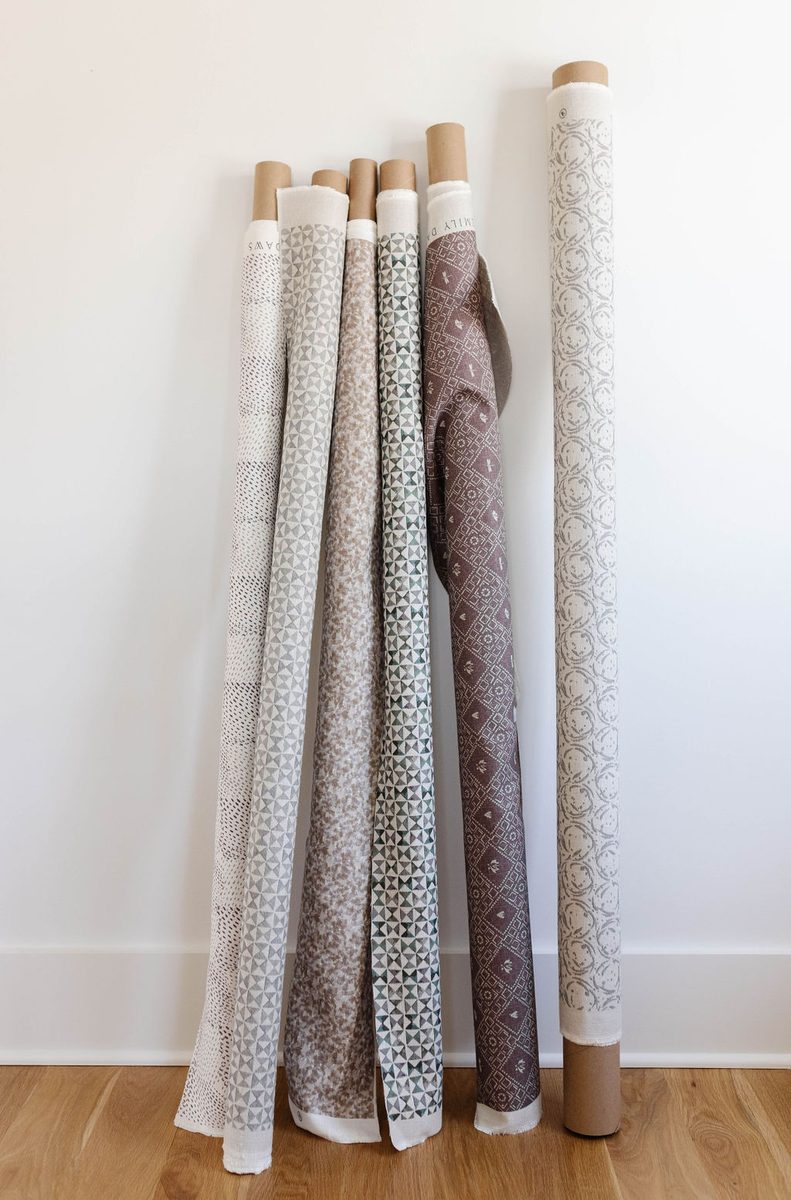
I worked each pattern from a different marking, then pulled the whole group into one range of earth tones so they read together. Below, a look at what each pattern is looking at.
Shop the Fauna Collection
Speckled Check
Nest — Pillows

Kaleidoscope

Speckled Check — Cactus

Kaleidoscope — Lifestyle
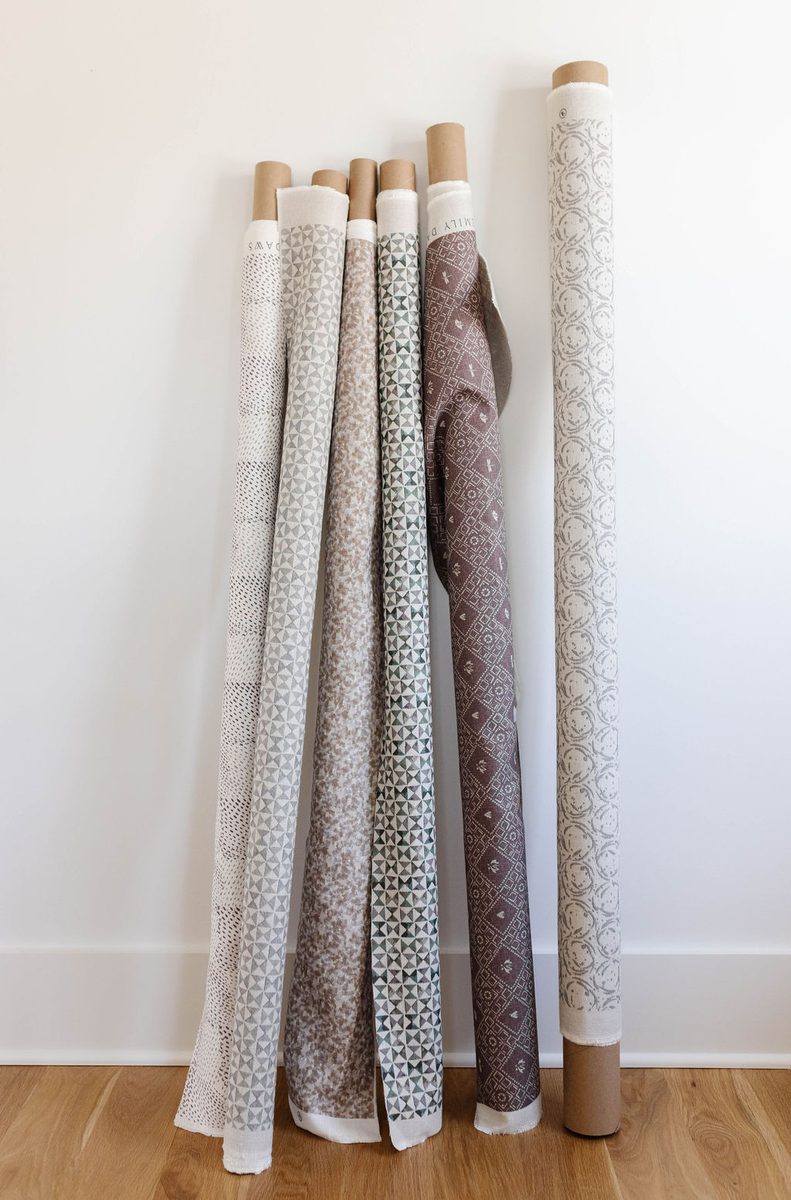
Fauna — Bolts
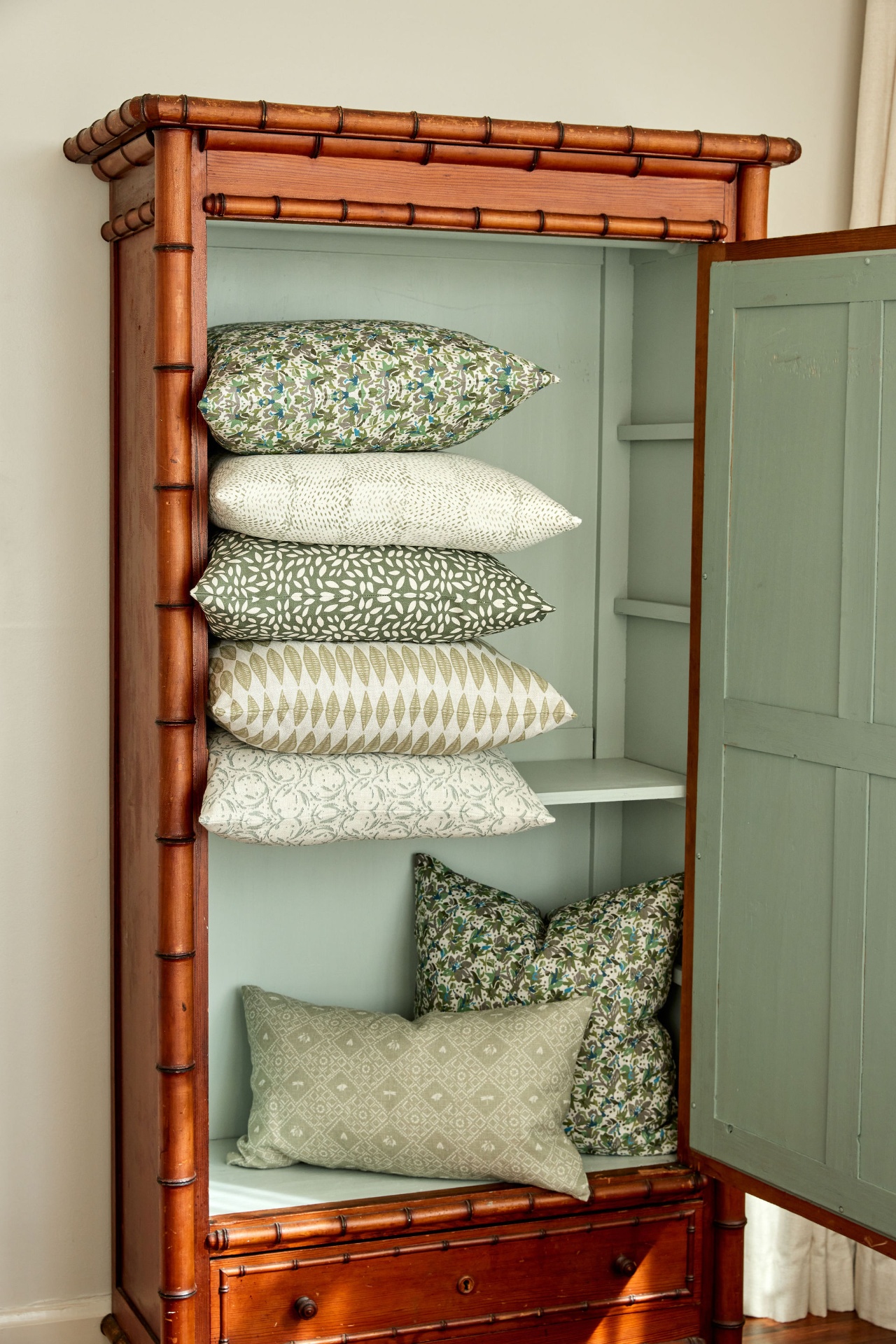
Fauna Pillows
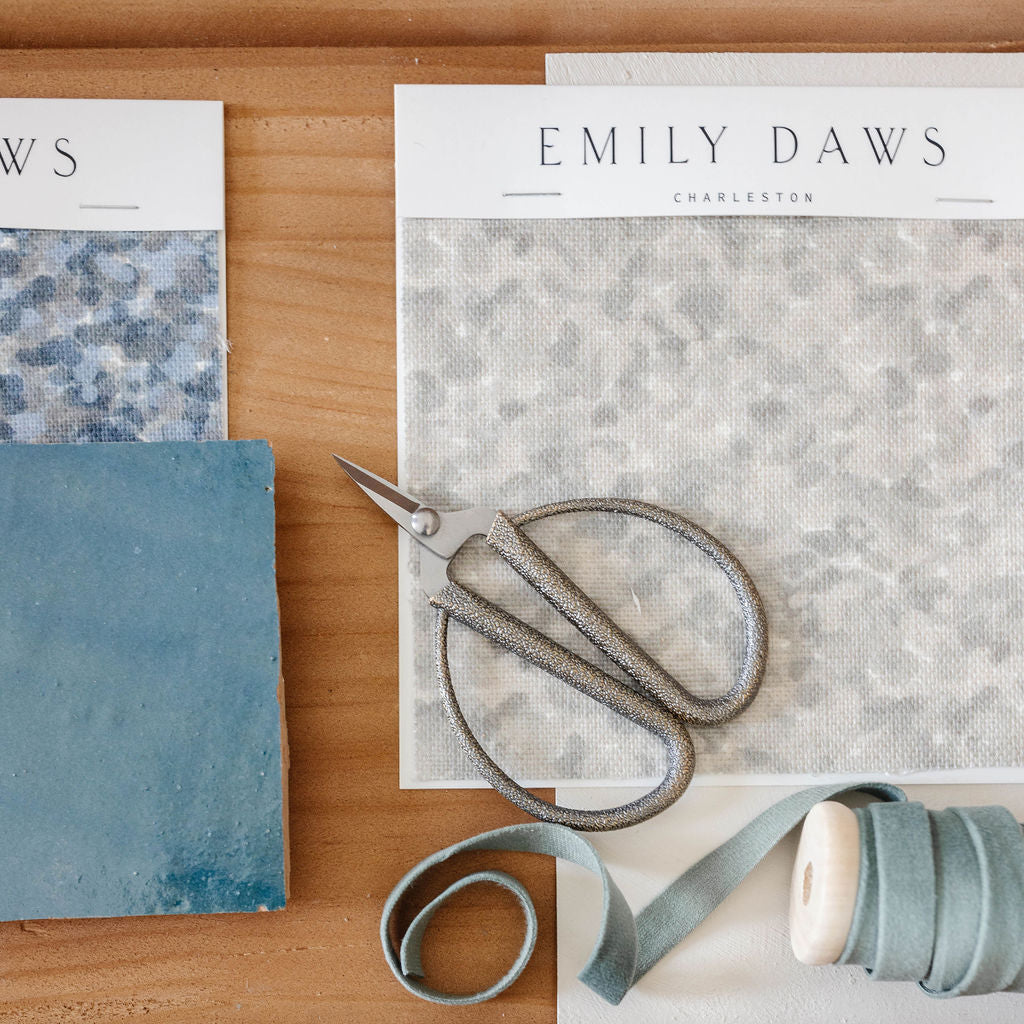
Swatches
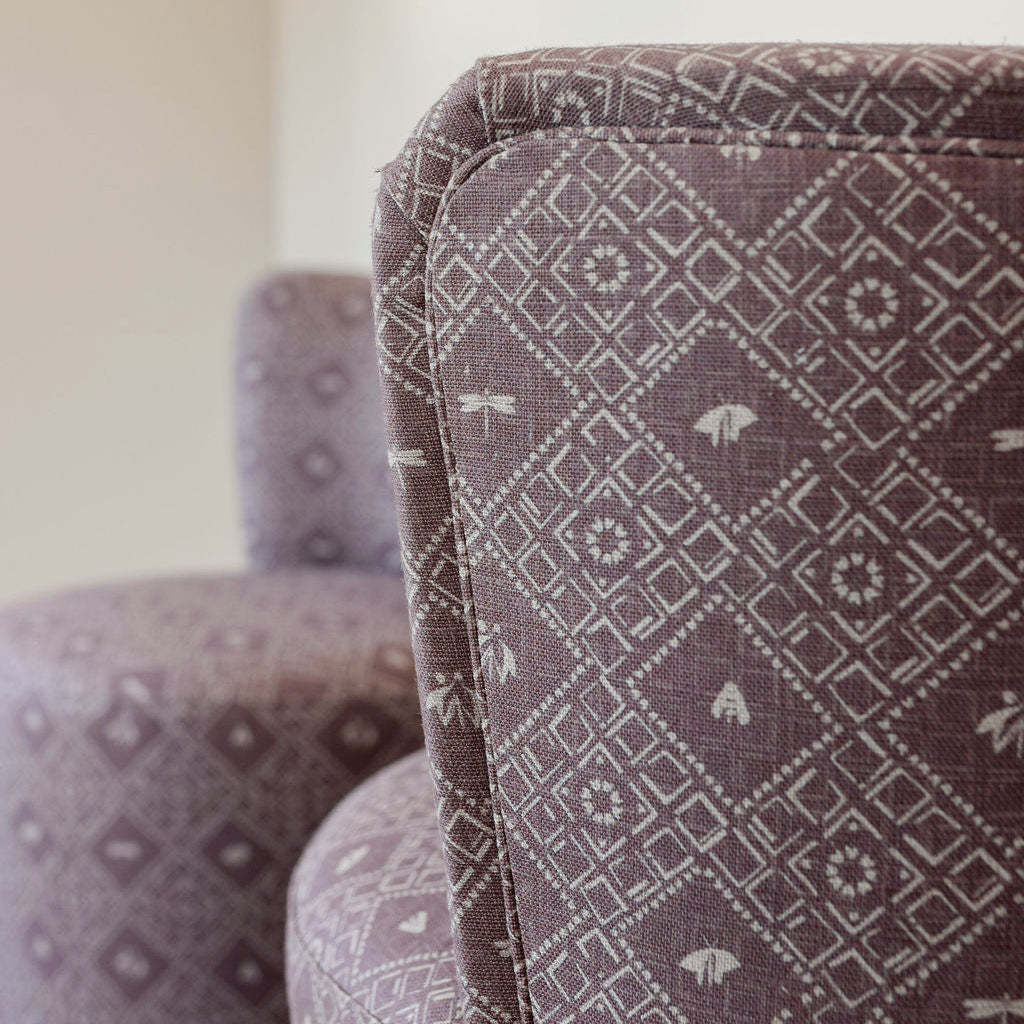
Upholstery
Fabric by the Yard
Shop the Fauna Collection
Speckled Check
Nest — Pillows
Kaleidoscope
Speckled Check — Cactus
Kaleidoscope — Lifestyle
Fauna — Bolts
Fauna Pillows
Swatches
Upholstery
Fabric by the Yard
Shop the Fauna Collection
Speckled Check
Nest — Pillows
Kaleidoscope
Speckled Check — Cactus
Kaleidoscope — Lifestyle
Fauna — Bolts
Fauna Pillows
Swatches
Upholstery
Fabric by the Yard
Kaleidoscope
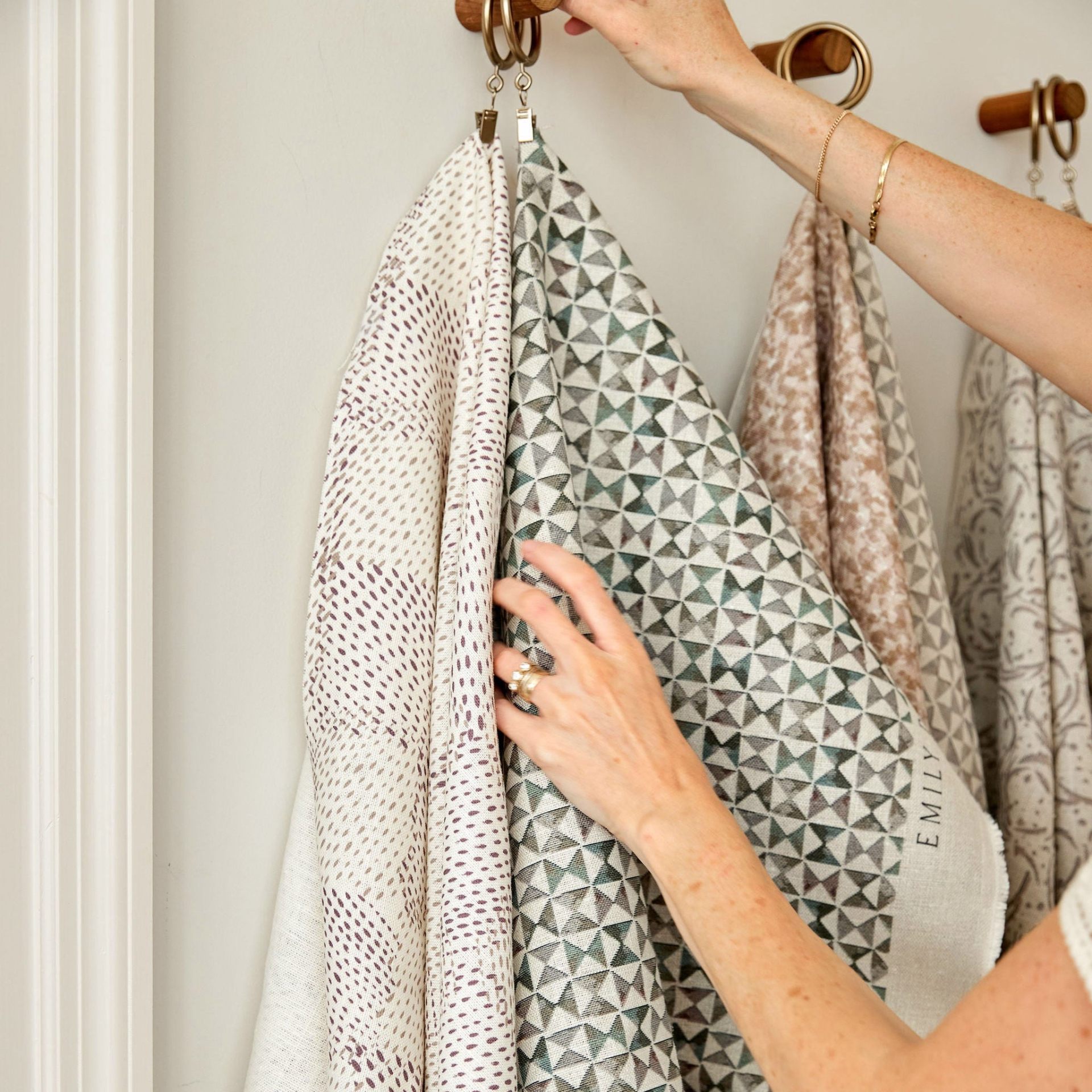
A group of butterflies is called a kaleidoscope — a word coined in 1817 for the optical toy that turns loose color into shifting symmetry. The pattern earns the name twice: it takes the color and geometry of butterfly wings and repeats them into that same turning, overlapping order. It is the one I let be the most openly playful.
Kaleidoscope, a term for a group of butterflies, is composed of mirrored shapes that recall both butterfly wings and the traditional quilting pattern.

100% Belgian linen, printed in small batches in the USA.


Tortoise
Tortoise reads the plated shell of a turtle, the way the scutes lock together in irregular, mapped-out sections. Up close it is all edges and interlock; from across a room it settles into a calm mottle. It is the collection at its most structural.
Tortoise is inspired by the distinctive markings of a tortoise shell, composed of mottled spots arranged in an organic formation.

100% Belgian linen, printed in small batches in the USA.


Speckled Check
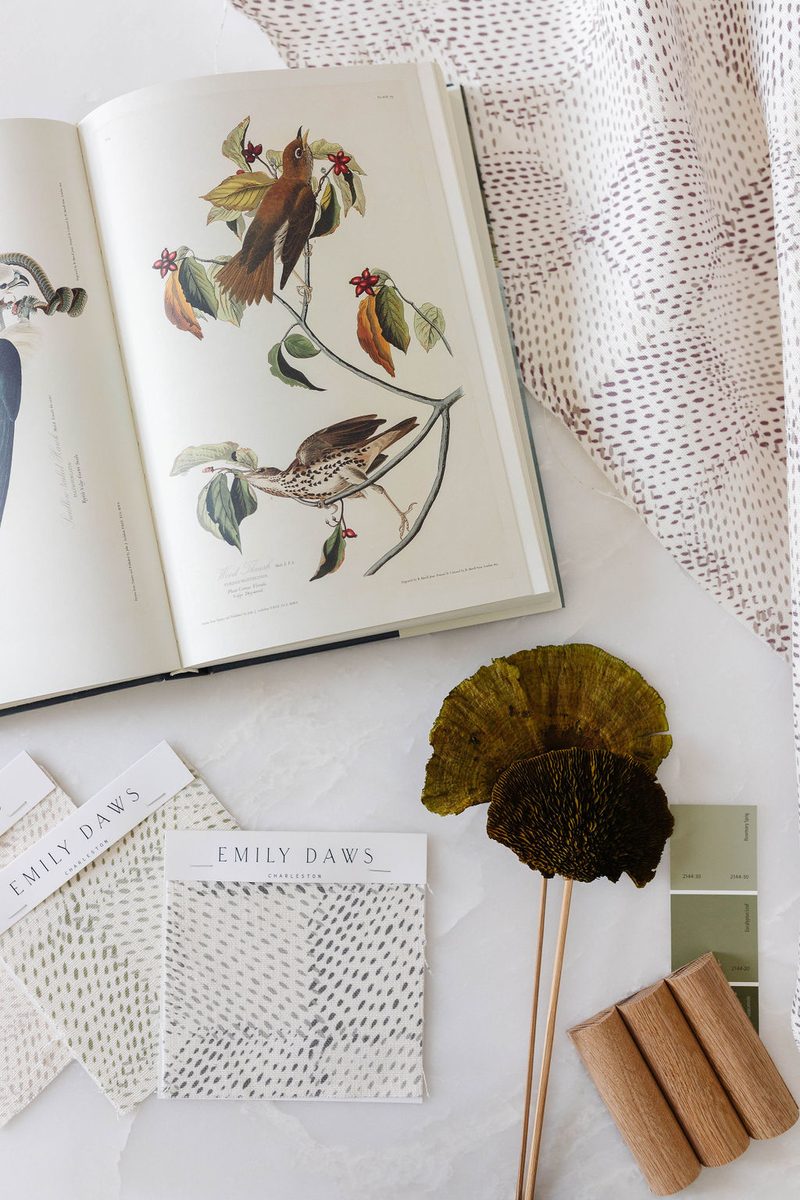
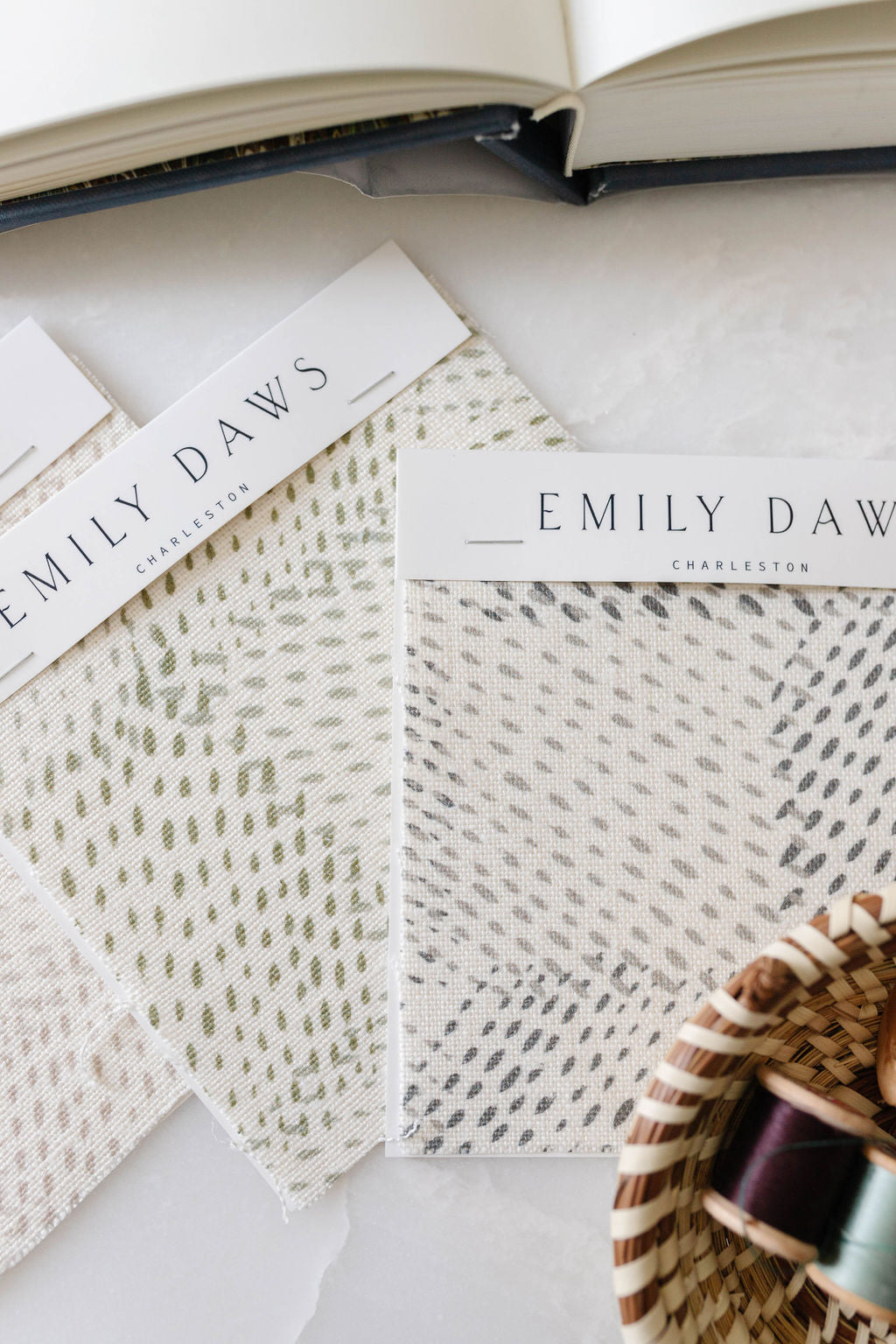
Speckled Check does two things at once, which is the fun of it. A wild speckle, the kind scattered across a bird's egg, sits over an orderly check. One half is nature, one half is the grid — the pattern holds both without choosing between them.
Speckled Check is a relaxed interpretation of a traditional check, formed from small painted dashes that mimic the markings of fawn and fish.

100% Belgian linen, printed in small batches in the USA.


Nest
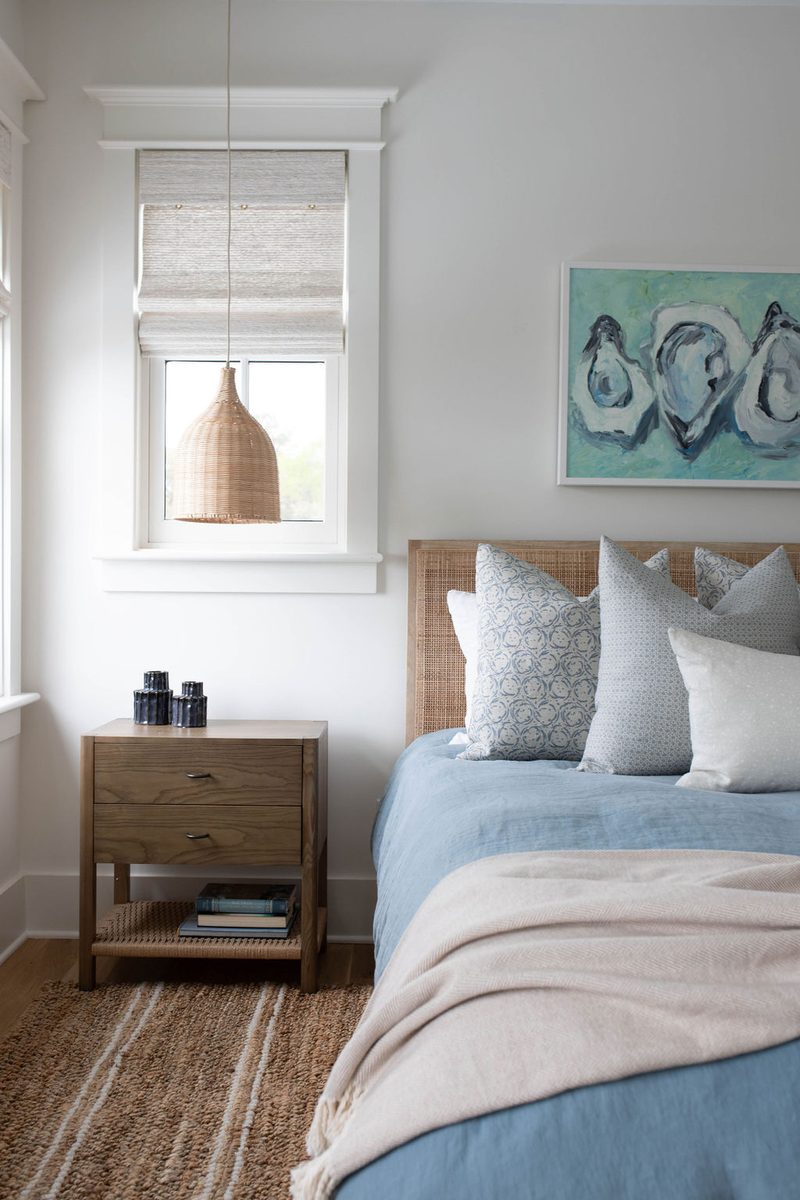
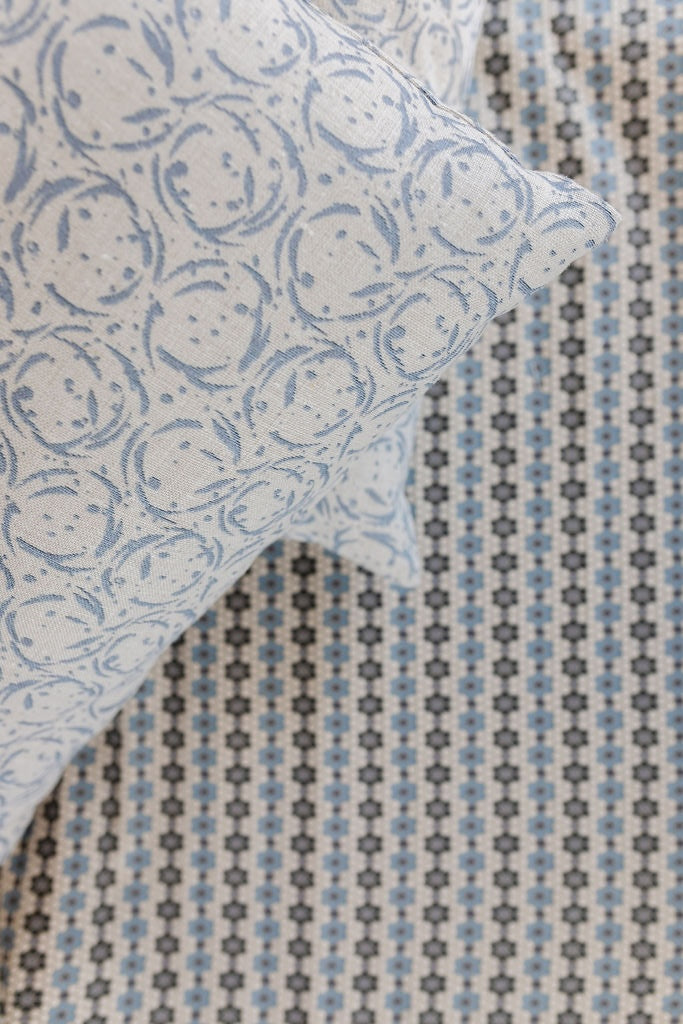
Nest reads the woven structure of a bird's nest — the interlaced marks of something built from many small pieces. It is textural and close-toned, the pattern that behaves most like a solid from across the room.
Nest is an arrangement of organic motifs — varied forms that come together in a layered, nature-informed repeat.

100% Belgian linen, printed in small batches in the USA.


Americana
Americana carries the widest range of color in the collection — offered six ways, from Cornflower and Cumin to Edamame and Orchid. It is the marking motif I built to anchor a room, and the one most designers reach for first.
A nod to heritage craft and keepsake design, Americana is composed of crochet-inspired squares filled with dragonflies, butterflies, and bees.

100% Belgian linen, printed in small batches in the USA.


Nectar
Nectar is the woven in the group — a textural cloth rather than a printed pattern. It gives the collection a plain-woven coordinate, the ground that lets the marked patterns lead.
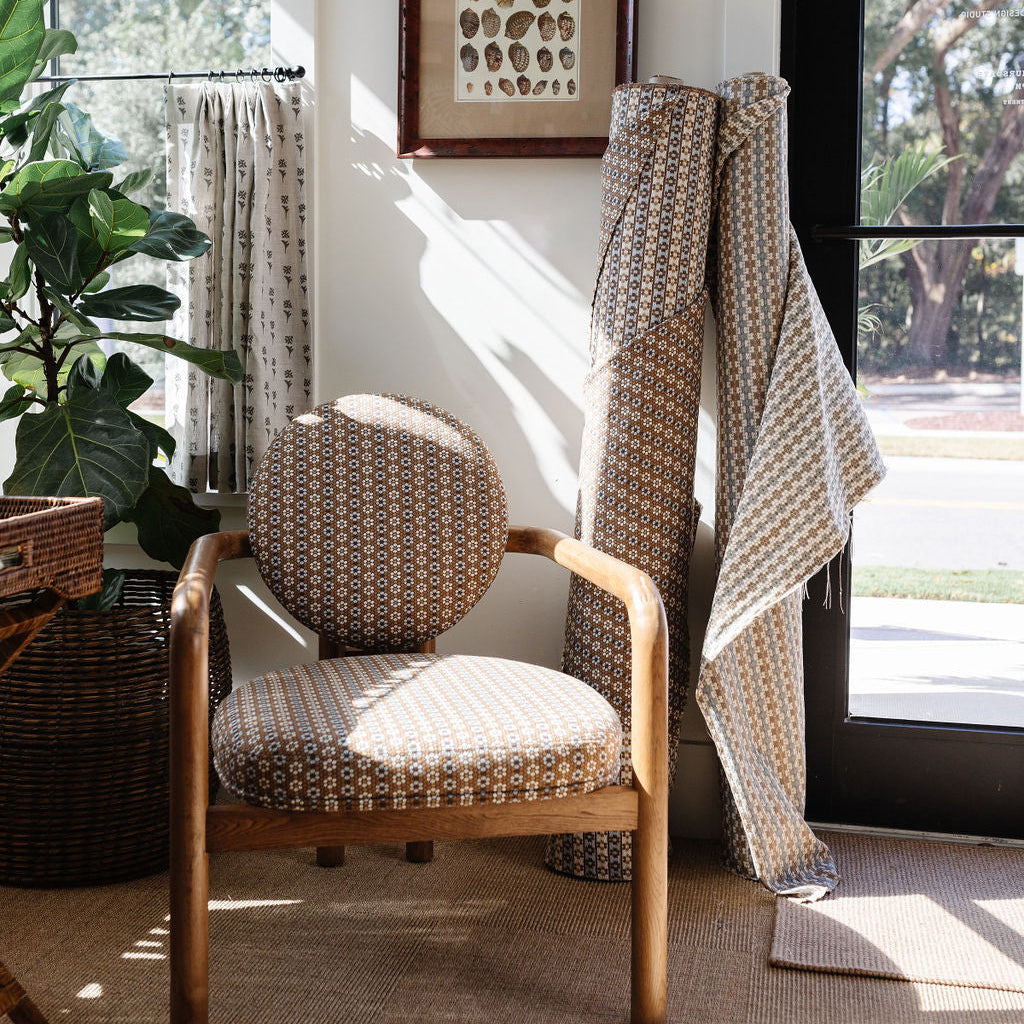
Nectar takes its structure from the honeycomb — a geometric floral motif with a classic, heirloom aesthetic.

A small-batch fabric woven in the USA, suited to heavy-duty upholstery, cushions, and Roman shades.


Living with it
What I was after was playful, without tipping into novelty. The subjects are wild, but I kept the range in earth tones so a butterfly or a tortoise shell reads as pattern rather than as a picture of an animal. That fits where rooms are going: naturalist motifs and grounded, earthy color are back in interiors, and designers want character that does not read as a theme.
Fauna mixes easily for that reason: Speckled Check settles a bolder Kaleidoscope, Nest and Nectar carry the ground, and Americana sets the palette. Used together, they build a room that feels collected from the natural world rather than decorated with it.
Nature was making pattern long before I thought to put it on linen. Fauna pays attention, and brings the markings inside.
Shop Fauna
Featured in this study

Order swatches
Every reference in this study is available as a cut swatch through the studio.
Request a swatch set